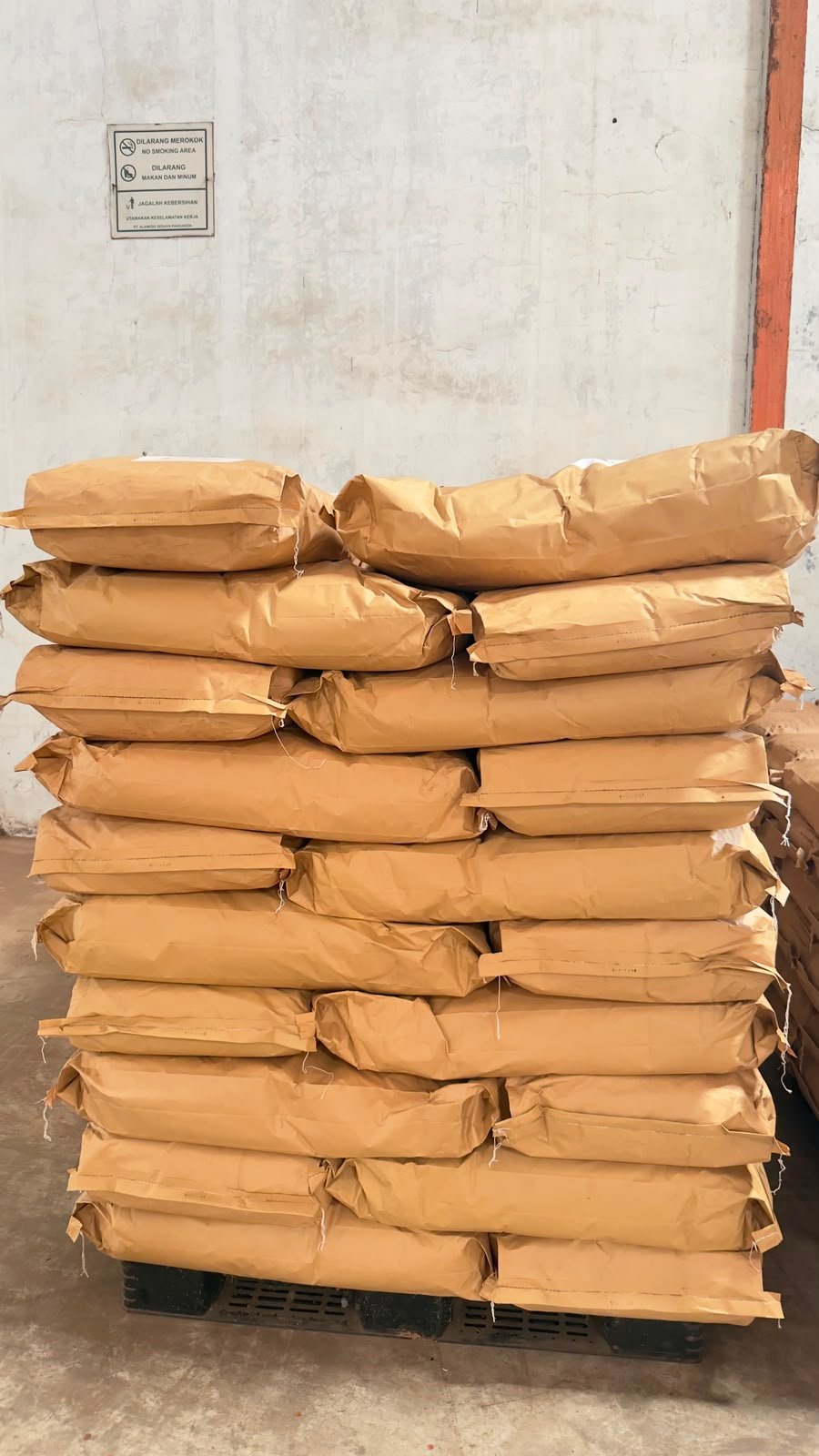
Selecting the right cocoa ingredient is a critical decision for food manufacturing. Specifically, the type of cocoa utilized directly dictates the color and flavor of the final product. Furthermore, it significantly affects solubility. Therefore, partnering with a reliable cocoa powder supplier is an important step for food manufacturers. This partnership helps maintain product consistency. In addition, it aids in planning long-term ingredient requirements. This article explores the core technical differences between natural and alkalized cocoa. Consequently, procurement and R&D teams can make informed sourcing decisions.
Understanding Natural Cocoa Powder and Its Origins
Natural cocoa powder is derived directly from roasted cocoa beans. First, these beans are processed into cocoa liquor. Next, they are pressed to separate the fat component, known as cocoa butter. The remaining cake solids are then finely pulverized into powder. Importantly, this occurs without any additional chemical treatment. Because the process is straightforward, natural cocoa preserves its intrinsic characteristics. For instance, it keeps its original antioxidants and aromatic profiles. Thus, natural cocoa represents an unadulterated ingredient option. Consulting an experienced cocoa supplier ensures high quality processing. As a result, the powder retains the inherent fruity and sharp notes of fresh cocoa. Ultimately, this makes it a foundational ingredient in food manufacturing.
The Science Behind Alkalization (Dutch Processing)
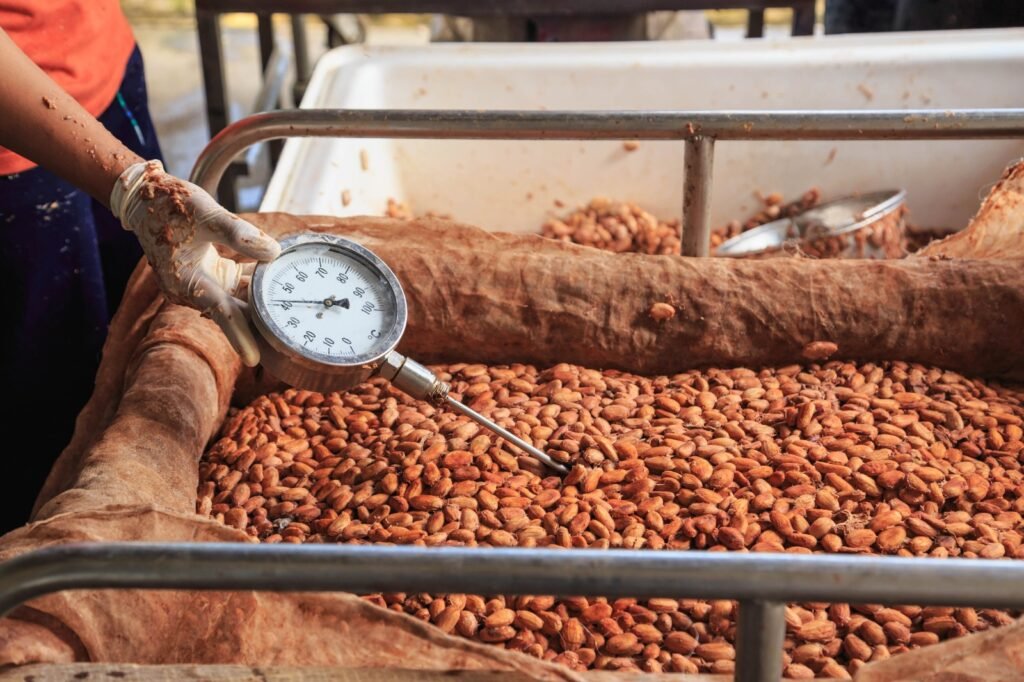
Alkalized cocoa introduces an extra processing stage known as alkalization. Usually, this is referred to as Dutch-processed cocoa. During this phase, processors treat cocoa nibs or liquor with an alkaline agent. Specifically, they use potassium carbonate to adjust chemical properties. This chemical reaction alters the protein structures and pigments. Moreover, it changes the cocoa material fundamentally. By controlling temperature and pressure, a specialized cocoa supplier can achieve distinct technical grades. Consequently, the result is a highly modified cocoa powder. Finally, these sensory and functional characteristics are perfect for industrial applications.
Comparing pH Levels: How a Cocoa Supplier Helps Manage Acidic vs. Alkaline Performance
The primary operational difference between natural and alkalized cocoa powder lies in pH value. Generally, natural cocoa powder is naturally acidic. It maintains a pH level typically between 5.0 and 6.0. Therefore, this acidity interacts directly with other formulation ingredients. For example, it reacts strongly with chemical leavening agents. Conversely, alkalized cocoa is neutralized. In fact, it is made slightly alkaline. The pH levels range from 6.8 up to 8.2. Working with a knowledgeable cocoa supplier helps manufacturers select the precise pH range. As a result, leavening agents react correctly. Furthermore, dairy proteins will not curdle unintentionally.
READ MORE : THE BEST CHOCOLATE RECIPE
Color Profiles and Their Impact on Food Aesthetics
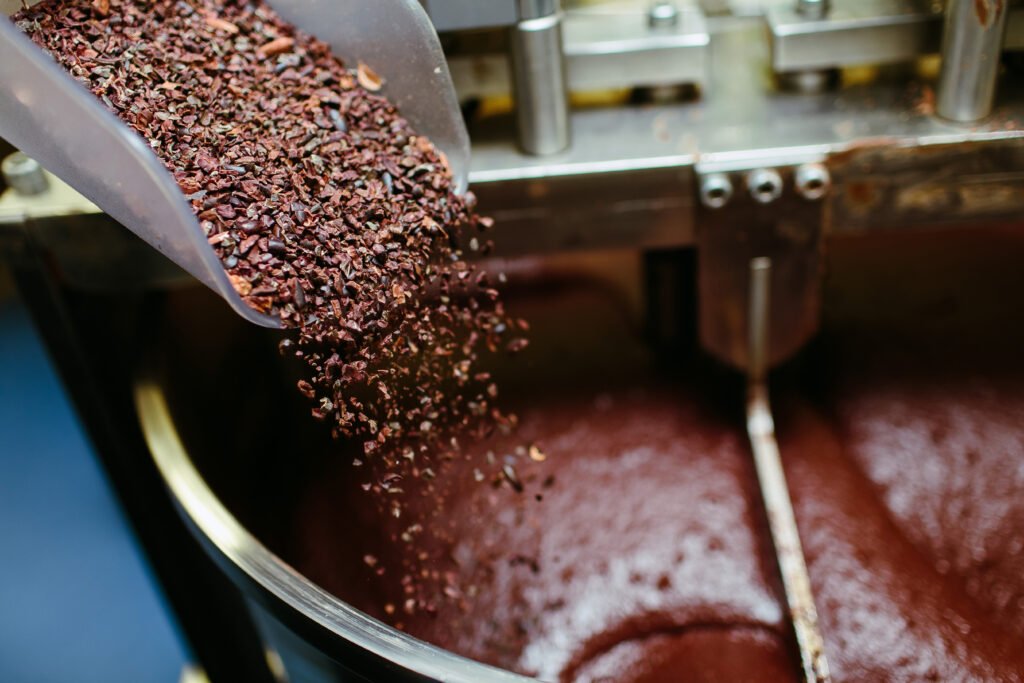
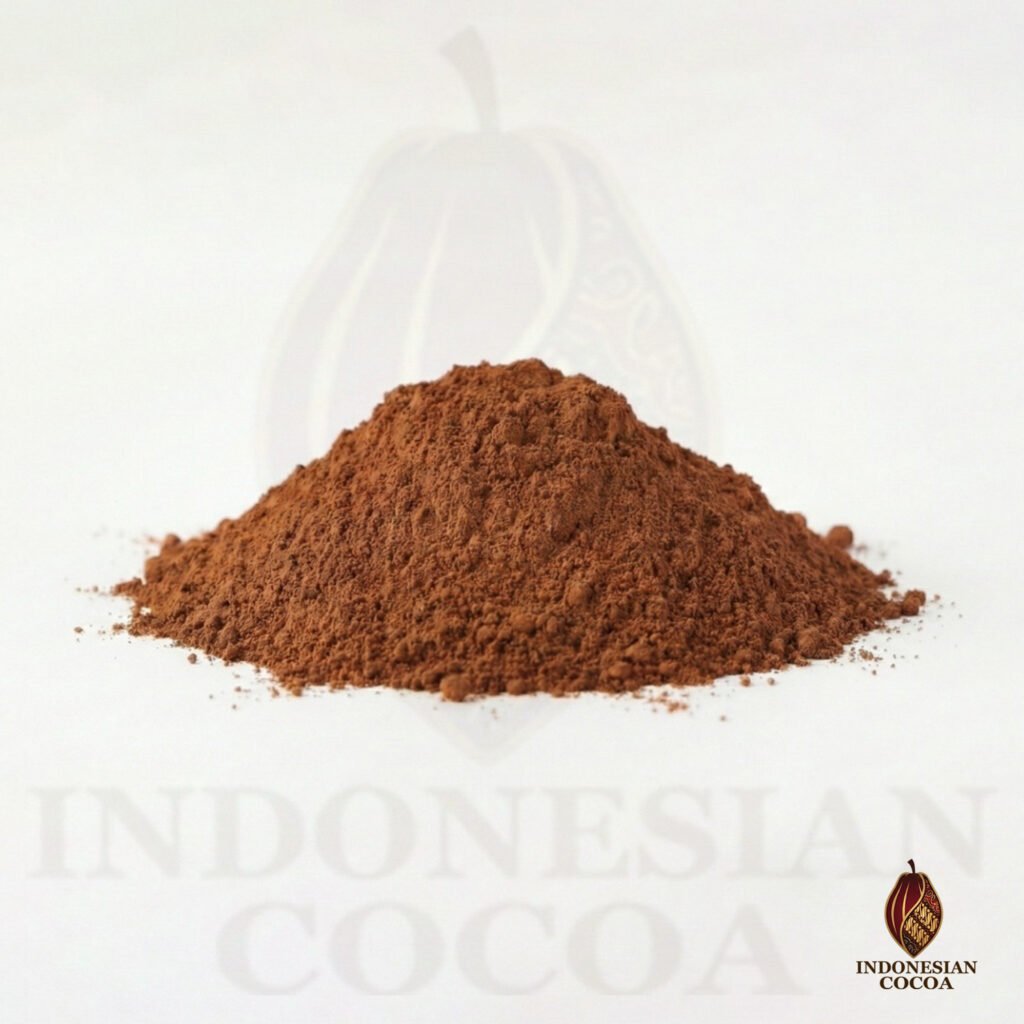
Color is one of the most visual specifications in cocoa evaluation. Typically, natural cocoa powder displays a light brown to tan hue. It also features yellowish or reddish undertones. Thus, this lighter shade provides a warm, classic chocolate appearance. This is highly suitable for traditional baking and dry mixes. On the other hand, alkalization significantly darkens the cocoa pigments. Depending on the processing, alkalized powders range from medium reddish-brown to black. Therefore, manufacturers can produce visually intense confectionery items. Sourcing from a reliable indonesian cocoa supplier offers a predictable way to achieve this dark appeal. Consequently, you do not need artificial food colorings.
Flavor Profiles: Bright Acidity vs. Mellow Smoothness
The flavor notes of natural cocoa powder are very distinct. Specifically, they are characterized by bright acidity and fruity undertones. In addition, there is a noticeable astringency. This intense chocolate bite works well in specific products. For instance, it cuts through sweet or rich bases perfectly. Alternatively, Dutch processing neutralizes the sharp acids. Furthermore, it eliminates bitter astringency. Alkalized cocoa yields a smoother and more mellow flavor profile. Therefore, this makes it highly advantageous in dairy formulations. Otherwise, harsh acidic notes would overpower delicate milk flavors.
Solubility, Suspension, and Liquid Processing Behavior
In liquid processing environments, cocoa powder behavior is critical. Generally, natural cocoa powder is hydrophobic. It tends to float on liquid surfaces. As a result, it is more challenging to dissolve. You often need high-shear agitation or emulsifiers. Conversely, alkalized cocoa powder exhibits improved wettability. It also shows better solubility in liquid solutions. The alkalization process breaks down insoluble compounds. Moreover, it reduces surface tension. Consequently, the powder blends more smoothly and remains in suspension longer.
Selecting an Indonesian Cocoa Supplier for Baking and Confectionery
In industrial baking, leavening chemistry depends entirely on cocoa selection. When natural cocoa is used, its acidic nature is crucial. It reacts with baking soda to release carbon dioxide. Therefore, this provides both volume and flavor balance. However, replacing natural cocoa with alkalized cocoa can cause problems. It can lead to dense baked goods with a metallic taste. Meanwhile, in confectionery, moisture control and fat compatibility are paramount. Partnering with a trusted indonesian cocoa supplier is essential here. It allows manufacturers to tailor fat absorption properly. Ultimately, this ensures a smooth texture and ideal melt-in-mouth quality.
Our Approach at Indonesian Cocoa
At Indonesian Cocoa, we understand the complex needs of international buyers. Specifically, they require clear product information and reliable communication. In addition, they need a sourcing process aligned with their business. Evaluating product specifications involves more than comparing prices. It requires understanding pH levels and color profiles. Furthermore, buyers must know how these perform in applications. Therefore, we maintain clear communication throughout the sourcing process. Ultimately, Indonesian Cocoa aims to help buyers assess our natural and alkalized offerings. We ensure they are suitable for your long-term business objectives.
Final Thoughts
Choosing between natural and alkalized cocoa powder is a foundational technical decision. It impacts both R&D formulation and procurement strategies. Therefore, product consistency and accurate specifications are vital. These elements contribute to a more informed sourcing decision. For buyers exploring cocoa sourcing opportunities from Indonesia, we are here to help. Indeed, Indonesian Cocoa welcomes inquiries from B2B businesses. Finally, we look forward to discussing your specific product requirements.


