Many sourcing decisions begin with a promising sample. However, one of the most common challenges in cocoa trade is the gap between approved samples and actual bulk shipments.
This issue becomes particularly critical when working with a cocoa powder supplier, where even minor variations in fat content, particle size, or flavor stability can significantly impact production performance. A reliable cocoa powder supplier must be able to demonstrate that bulk supply matches sample specifications consistently—not just occasionally.
Understanding why differences occur between samples and shipments helps buyers evaluate a cocoa powder supplier more carefully and reduce long-term supply risk.
Samples May Come from Controlled Batches
In some cases, samples are prepared from carefully selected or limited batches.
While the sample may represent high-quality material, it does not always reflect the average quality of larger production volumes. Without structured batch control systems, maintaining identical quality across containers becomes difficult.
Consistency requires system-level discipline, not isolated quality.
Sourcing Variability Affects Bulk Supply
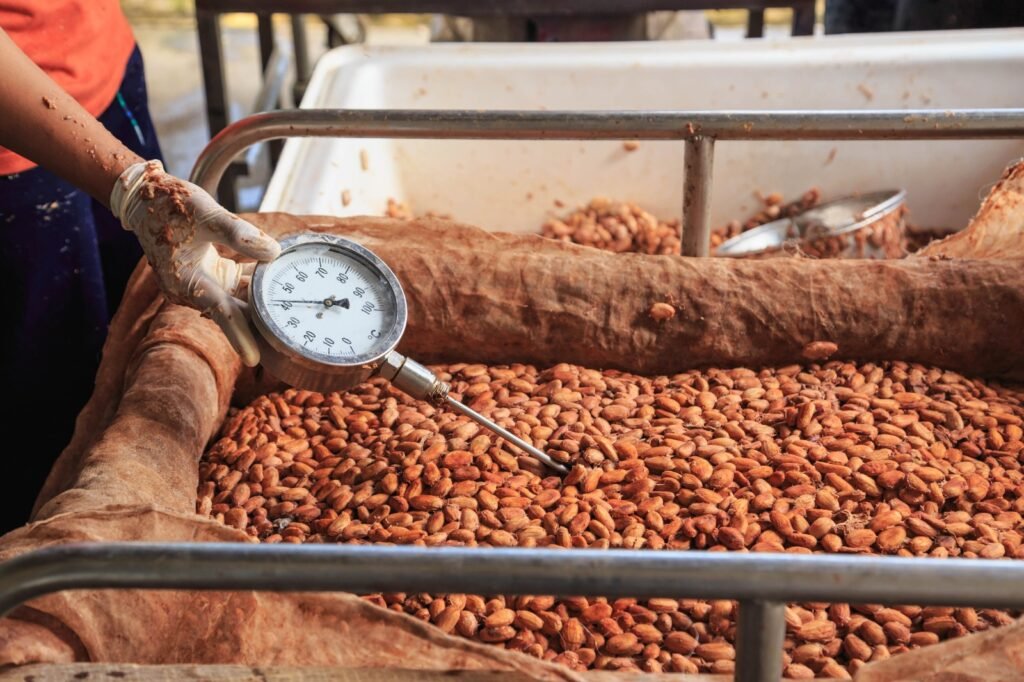
Cocoa is an agricultural product, and variability begins at origin.
Differences in fermentation practices, drying conditions, and storage can influence bean characteristics. If a supplier relies on fragmented sourcing, bulk shipments may contain greater variability than the original sample.
Professional exporters manage sourcing networks carefully to reduce this risk.
Processing Inconsistencies Create Gaps
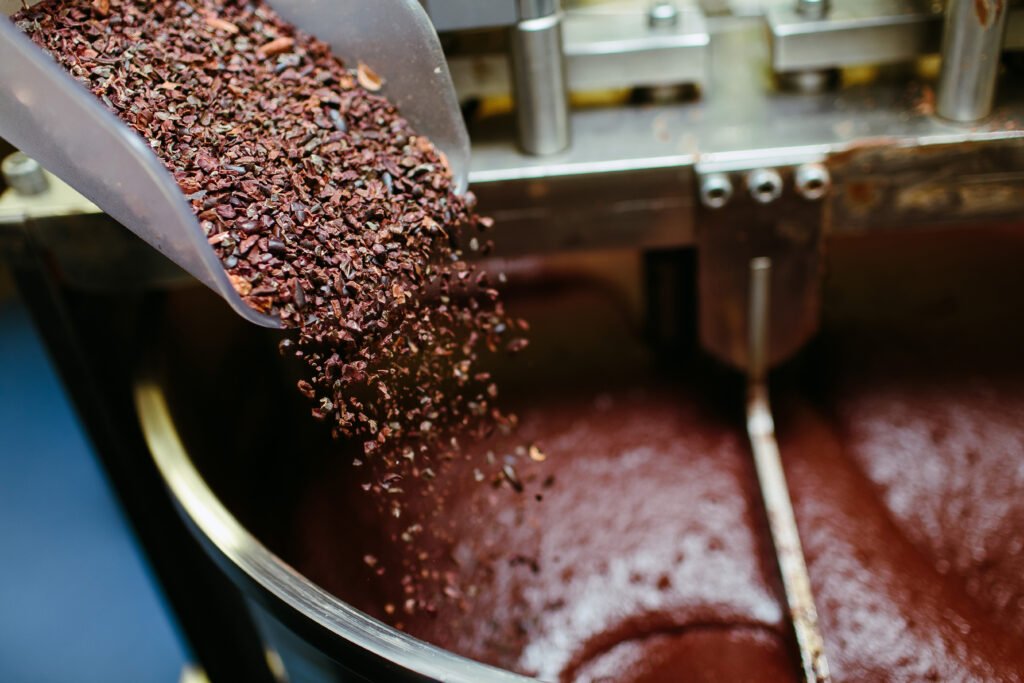
When cocoa is processed into powder, liquor, or butter, consistency depends on standardized parameters.
A professional cocoa powder supplier controls roasting temperature, pressing conditions, and milling specifications to ensure repeatable results. Without these controls, bulk production may differ from the sample batch.
Processing discipline determines reliability.
READ MORE : THE BEST CHOCOLATE RECIPE
Storage and Logistics Impact Final Quality
Quality can also change after processing.
Improper storage, extended warehousing, or inadequate packaging may alter moisture levels or physical characteristics before shipment. Bulk volumes are more exposed to logistical challenges than small samples.
Export readiness must include protective handling and structured logistics.
How Buyers Can Reduce the Risk
To minimize discrepancies, buyers should:
- Request clear technical specifications aligned with sample data
- Ask about batch consistency and quality monitoring systems
- Evaluate sourcing structure and processing controls
- Confirm export packaging and shipment procedures
These steps help ensure that sample approval translates into consistent bulk performance.
Our Approach at Indonesian Cocoa
At Indonesian Cocoa, we recognize that sample approval is only the beginning of the sourcing relationship.
We focus on structured sourcing, standardized processing, and consistent quality monitoring to align bulk shipments with approved specifications. Whether supplying cocoa beans or operating as a cocoa powder supplier, our goal is to deliver repeatable performance across containers—not just attractive samples.
Consistency is built through systems, not chance.
Final Thoughts
When sample quality differs from bulk shipments, the consequences extend to production efficiency, cost management, and brand credibility.
Buyers who evaluate systems—not just samples—are better positioned to select a dependable cocoa powder supplier and protect long-term operations.
If you are reviewing your current sourcing partner or evaluating a cocoa powder supplier, Indonesian Cocoa is ready to support your due diligence process.
Contact our team to discuss quality standards, processing systems, and export solutions designed for consistent performance.