Selecting the right export partner is a strategic decision that impacts product quality, operational stability, and long-term profitability. Beyond competitive pricing, buyers must evaluate structure, compliance, and supply consistency.
This becomes especially important when working with a cocoa powder supplier, where technical specifications and batch stability directly affect manufacturing outcomes. A professional Indonesian cocoa exporter—and cocoa powder supplier—should provide transparency, documentation clarity, and dependable quality across shipments.
Understanding what to expect from a structured exporter helps buyers build stronger, lower-risk supply partnerships.
Clear Product Specifications and Technical Documentation
A professional exporter provides detailed and transparent specifications.
Buyers should expect:
- Defined moisture limits
- Fat content ranges (for butter and powder)
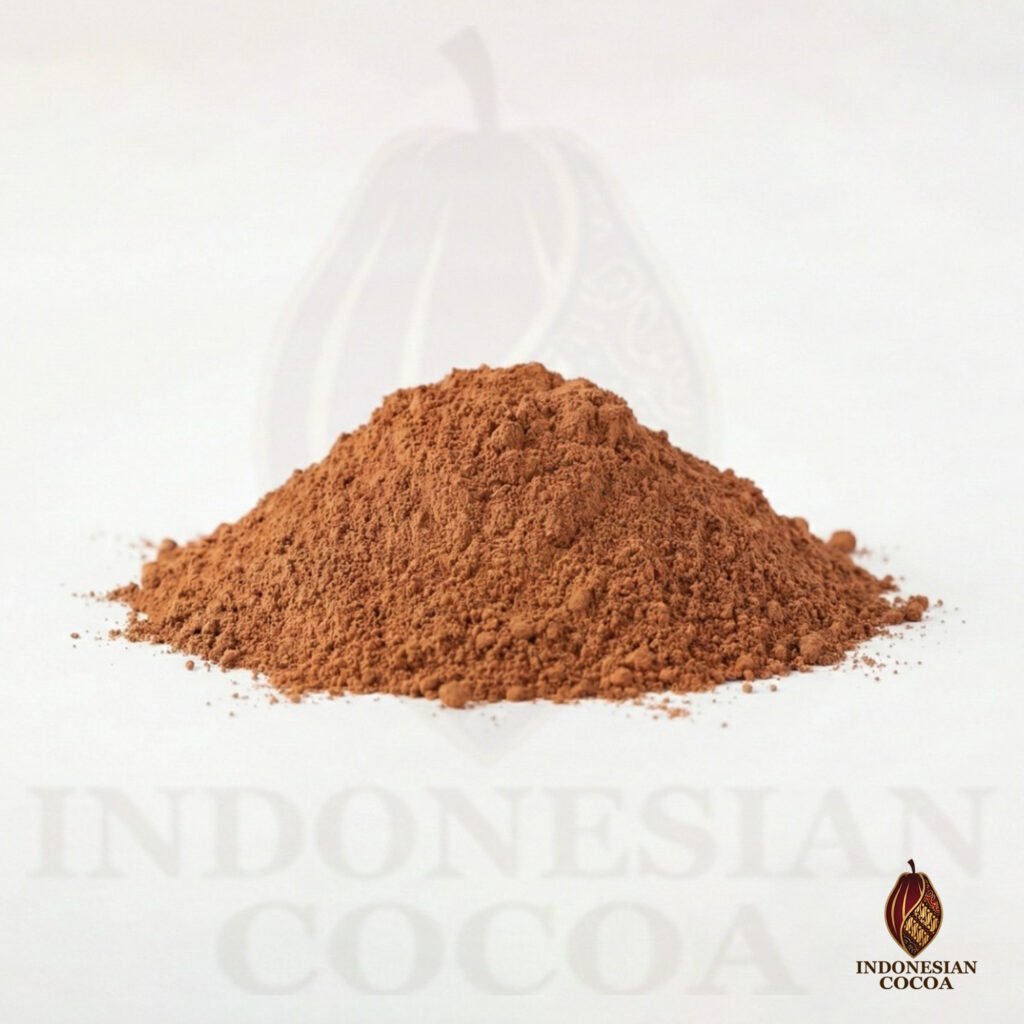
- Particle size distribution (for cocoa powder)
- Microbiological compliance data
Technical data sheets and laboratory reports should be readily available to support purchasing decisions.
Consistent Quality Control Systems
Export reliability depends on process discipline.
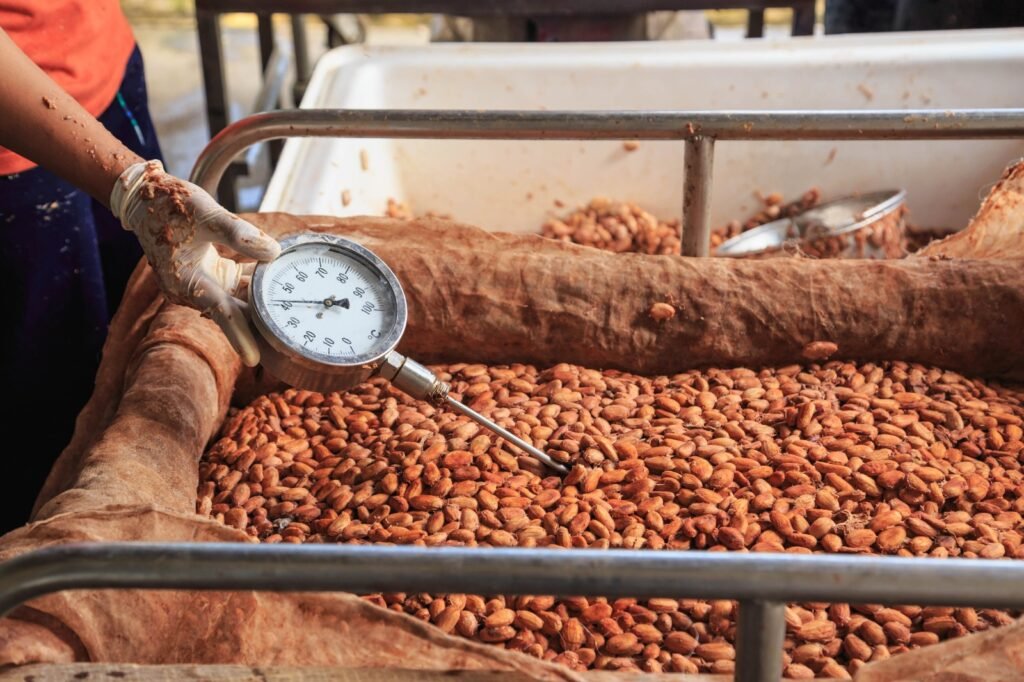
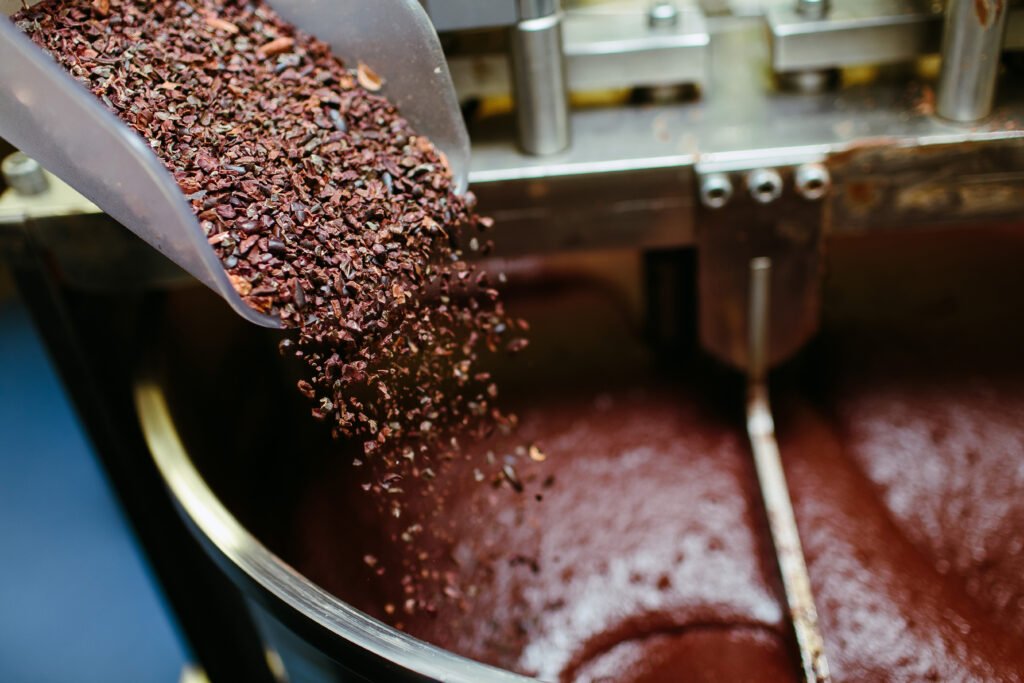
Professional exporters implement structured quality control from sourcing to shipment. This includes batch tracking, laboratory testing, and standardized processing parameters.
For a cocoa powder supplier, consistency in roasting, pressing, and milling is essential to maintain uniform flavor, color, and functionality.
Transparent Communication and Responsiveness
Effective exporters maintain clear communication throughout the transaction.
Buyers should expect timely updates on production schedules, documentation readiness, and shipment timelines. Transparent dialogue reduces misunderstandings and supports smoother coordination.
Responsiveness is often a strong indicator of operational discipline.
READ MORE : THE BEST CHOCOLATE RECIPE
Complete Export Documentation
International trade requires accurate documentation.
A professional Indonesian cocoa exporter provides:
- Commercial invoice
- Packing list
- Certificate of origin
- Quality or laboratory reports
- Phytosanitary documentation (if required)
Structured documentation ensures smoother customs clearance and reduces shipment delays.
Reliable Logistics and Packaging Standards
Export-quality cocoa must arrive in stable condition.
Professional exporters treat packaging and container preparation as part of quality assurance. Moisture-resistant materials, proper labeling, and careful container loading protect product integrity during transit.
Logistics discipline reflects overall operational reliability.
Long-Term Partnership Orientation
The most valuable exporters think beyond single transactions.
Rather than focusing only on immediate sales, a structured cocoa powder supplier prioritizes consistency, problem-solving, and long-term collaboration. Buyers benefit from partners who understand industrial requirements and support ongoing product stability.
Strong partnerships are built on performance, not promises.
Our Approach at Indonesian Cocoa
At Indonesian Cocoa, we align our operations with the expectations of professional global buyers.
From structured sourcing networks to documented processing systems, we prioritize transparency and consistency. Whether supplying cocoa beans or acting as a cocoa powder supplier, our objective is to provide reliable export performance that supports long-term business growth.
We view each shipment as part of an ongoing partnership—not an isolated transaction.
Final Thoughts
Working with a professional Indonesian cocoa exporter should provide clarity, stability, and confidence.
By evaluating systems, documentation discipline, and communication standards, buyers can reduce sourcing risk and build stronger supply chains.
If you are assessing a cocoa powder supplier or seeking a structured Indonesian cocoa exporter, Indonesian Cocoa is ready to support your sourcing strategy.
Contact our team to discuss specifications, compliance standards, and export-ready solutions tailored to your operational needs.