Climate change is increasingly reshaping global agricultural supply chains, and cocoa is no exception. Rising temperatures, shifting rainfall patterns, and extreme weather events are influencing crop yields, harvest cycles, and overall supply stability.
For manufacturers sourcing from a cocoa powder supplier, these climate-related risks can translate into raw material shortages, price volatility, and inconsistent product availability. A professional cocoa powder supplier must not only maintain quality standards, but also manage sourcing networks strategically to mitigate environmental disruptions.
Understanding how climate change impacts cocoa production helps buyers make more resilient long-term sourcing decisions.
Rising Temperatures and Yield Pressure
Cocoa trees thrive within specific temperature ranges.
Extended heat waves and rising average temperatures can stress trees, reduce flowering, and lower overall yields. In some producing regions, prolonged heat exposure has already begun affecting productivity levels.
Lower yields increase competition for high-quality beans and may tighten global supply.
Unpredictable Rainfall Patterns
Cocoa cultivation depends heavily on consistent rainfall distribution.
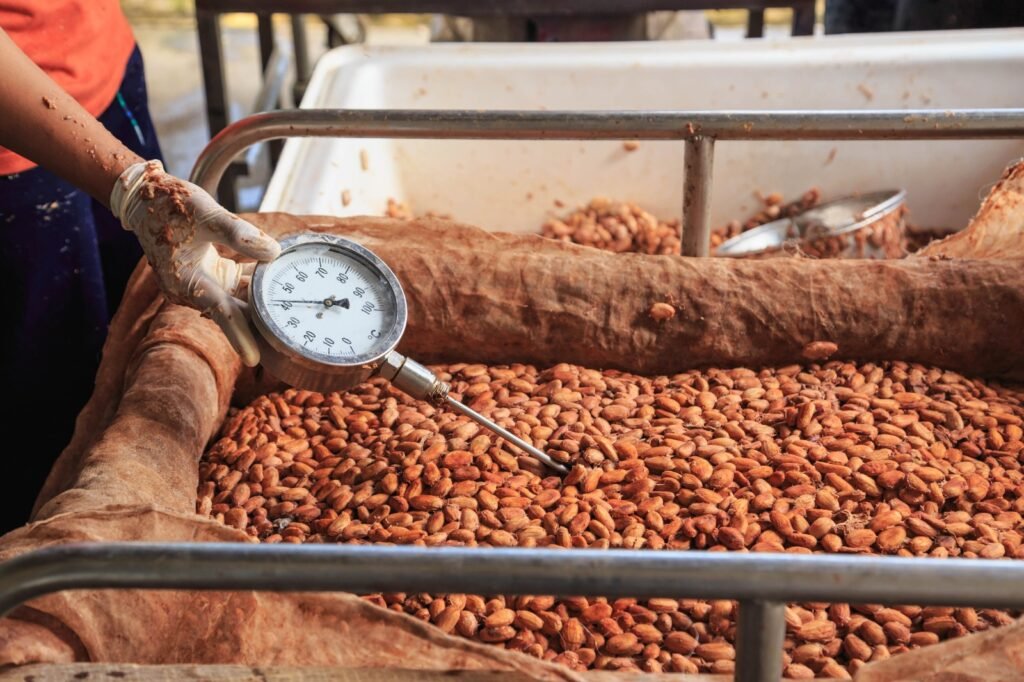
Erratic rain cycles can disrupt fermentation and drying processes, affecting bean quality and moisture levels. Excess humidity during drying stages may increase the risk of mold development.
Unpredictable weather introduces variability at farm level, which can cascade throughout the supply chain.
Increased Pest and Disease Risks
Climate fluctuations can also expand the spread of pests and plant diseases.
Warmer and more humid environments create favorable conditions for fungal infections and crop damage. Disease outbreaks may significantly reduce harvest volumes in affected regions.
Diversified sourcing networks become essential in managing this risk.
READ MORE : THE BEST CHOCOLATE RECIPE
Impact on Global Pricing and Volatility
When climate events reduce output in major producing regions, international cocoa prices often respond quickly.
Supply uncertainty increases futures market activity, leading to higher volatility. Buyers without structured supplier relationships may face sudden cost increases or limited availability.
Long-term agreements with reliable exporters help reduce exposure to short-term shocks.
The Importance of Diversified Sourcing
Regions with geographically distributed cocoa production can provide added resilience.
Indonesia’s multi-region cocoa cultivation supports supply continuity when localized weather disruptions occur. Professional exporters working with structured sourcing systems are better positioned to manage variability and maintain stable export volumes.
Climate resilience requires proactive supply management.
Our Approach at Indonesian Cocoa
At Indonesian Cocoa, we recognize that climate change is a structural factor influencing long-term supply planning.
Through diversified sourcing networks, defined quality checkpoints, and disciplined export coordination, we work to minimize variability caused by environmental factors. As a cocoa exporter and cocoa powder supplier, our objective is to maintain consistent supply performance even amid changing agricultural conditions.
Strategic sourcing is essential to climate resilience.
Final Thoughts
Climate change is reshaping cocoa production worldwide, affecting yield stability, quality consistency, and pricing dynamics.
Buyers evaluating a cocoa powder supplier should assess not only product specifications, but also how suppliers manage environmental risk across their sourcing networks.
If you are reviewing your long-term sourcing strategy or seeking a climate-resilient Indonesian cocoa partner, Indonesian Cocoa is ready to support your supply stability goals.
Contact our team to discuss structured sourcing systems and export-ready solutions tailored to your business.