Fat content is one of the most critical technical variables in cocoa powder specification. It directly influences flavor release, mouthfeel, texture, and overall product performance across different food applications.
For companies sourcing from a cocoa powder supplier, understanding fat variations is essential for maintaining formulation stability and production consistency. A professional cocoa powder supplier must clearly define fat percentages, tolerance ranges, and processing controls to ensure predictable batch performance.
When fat levels fluctuate without control, downstream manufacturing risks increase.
Standard Fat Categories from a Cocoa Supplier
A standard TDS from a structured cocoa supplier typically includes:
- Fat content (%)
- Moisture content (%)
- pH level
- Fineness (mesh or microns)
- Color index
- Microbiological limits
Each parameter directly influences product performance in chocolate, bakery, beverage, or confectionery applications.
Clarity in these values reflects supplier discipline.
How Fat Content Impacts Application Performance
Fat percentage affects several key characteristics:
- Flavor intensity and release
- Creaminess and mouthfeel
- Viscosity in chocolate formulations
- Solubility in beverages
Higher fat content generally enhances richness and texture, while lower fat content may improve dispersibility and reduce production costs.
A structured cocoa powder supplier helps buyers align fat specification with end-product performance requirements.
Technical matching prevents reformulation costs..
Processing Control by an Indonesian Cocoa Supplier
Fat content is determined during the cocoa liquor pressing stage.
Variability can occur if:
- Pressing temperature fluctuates
- Equipment calibration is inconsistent
- Batch segregation is poorly managed
A disciplined Indonesian cocoa supplier applies controlled pressing parameters and batch verification to maintain tight fat tolerance ranges.
Operational precision safeguards consistency.
READ MORE : THE BEST CHOCOLATE RECIPE
Cost Considerations in Cocoa Powder Supplier Pricing
Fat content also influences pricing structure.
Higher fat cocoa powder contains more cocoa butter, which has its own market value. As a result, price differences between low and high fat variants can be significant—especially during periods of cocoa butter price volatility.
A transparent cocoa powder supplier should explain how fat percentage impacts cost calculation and contract terms.
Pricing clarity builds procurement confidence.
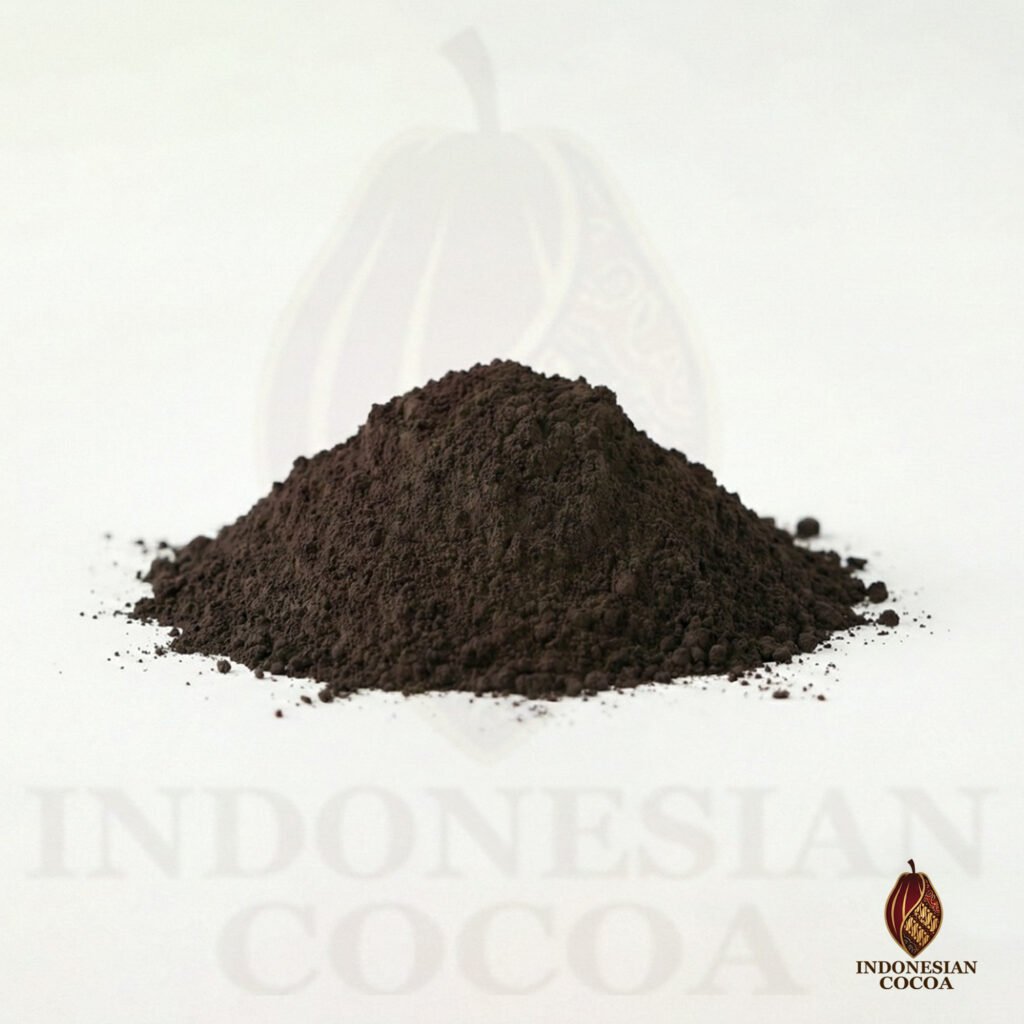
Reviewing Fat Tolerance Ranges in Technical Documents
Buyers should review not only the stated fat percentage but also its allowable tolerance.
For example:
- 10–12% with ±0.5% control
- 22–24% with defined upper and lower limits
Tight tolerance management from a professional cocoa supplier reduces the risk of unexpected performance variation in large-scale manufacturing.
Precision matters at industrial scale.
Our Approach at Indonesian Cocoa
At Indonesian Cocoa, fat control is integrated into our production and quality management systems.
As both an Indonesian cocoa supplier and cocoa powder supplier, we implement structured pressing controls, laboratory verification, and defined tolerance standards to ensure consistent fat profiles aligned with buyer specifications.
Our objective is to deliver reliable technical performance—batch after batch.
Final Thoughts
Fat content variations in cocoa powder significantly influence flavor, functionality, pricing, and production efficiency.
When evaluating a cocoa supplier or cocoa powder supplier, buyers should assess fat category alignment, tolerance control, and production discipline to ensure stable long-term supply.
If your organization requires consistent fat specifications from a reliable Indonesian cocoa supplier, Indonesian Cocoa is ready to support your sourcing strategy.
Contact our team to discuss fat profile options and application-specific export solutions.