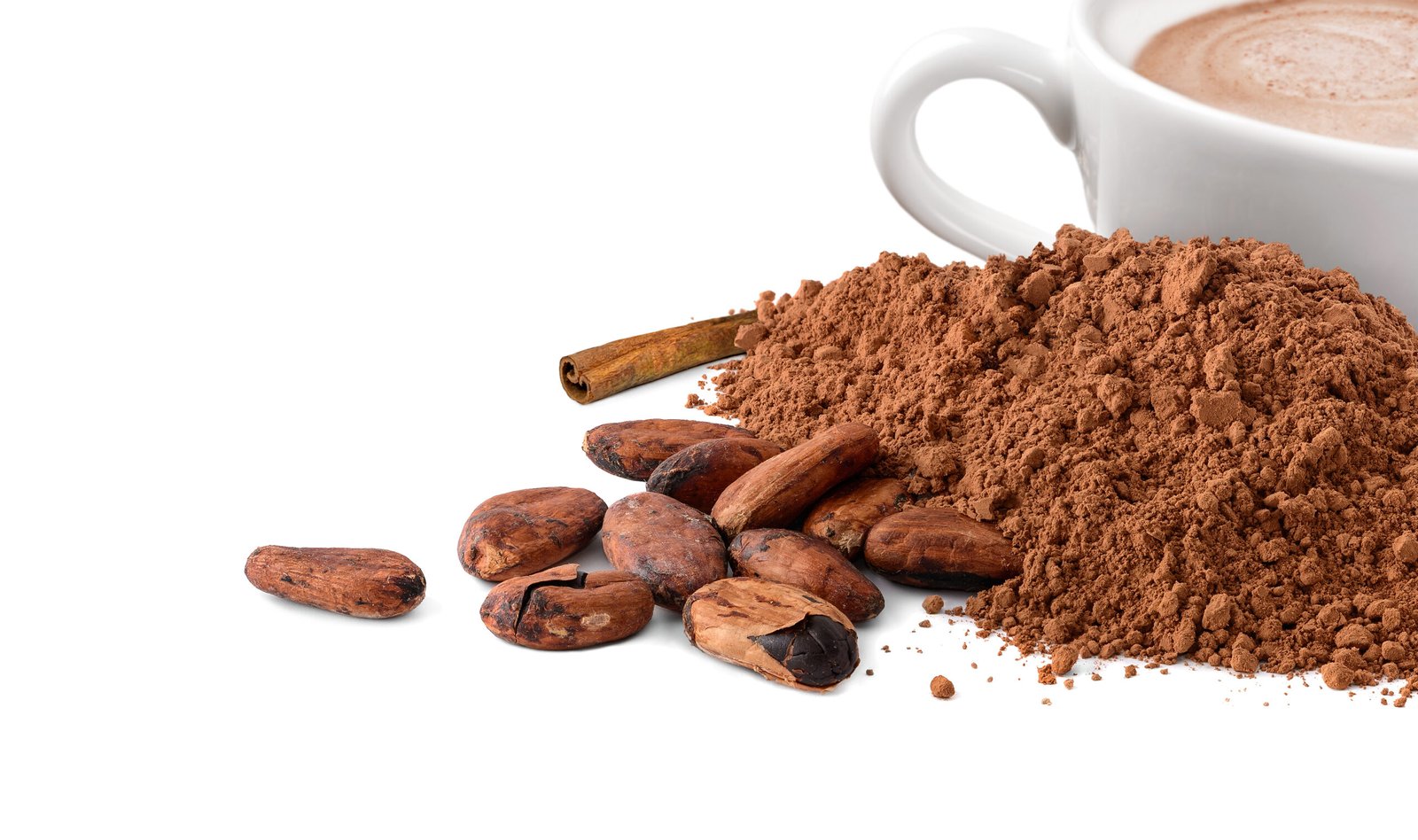
Global buyers sourcing from cocoa-producing countries often face a fundamental decision: whether to import raw cocoa beans or source processed cocoa products such as cocoa liquor, cocoa butter, or cocoa powder from a qualified cocoa powder supplier.
At first glance, cocoa beans may appear more flexible or cost-effective, while processed products sourced through a cocoa powder supplier often seem more convenient and production-ready. In practice, each option carries different implications for quality control, consistency, logistics, and long-term supply planning.
Understanding these differences is essential for buyers who want to optimize performance, reduce operational risk, and choose the right partners in the cocoa supply chain. This includes working with a cocoa powder supplier that can maintain stable specifications and consistent performance over time.
Cocoa Beans: Flexibility with Greater Responsibility
Importing cocoa beans gives buyers control over downstream processing. This option is often preferred by manufacturers with in-house roasting and grinding capabilities or those seeking to customize flavor profiles.
However, this flexibility comes with responsibility. Bean quality can vary significantly depending on fermentation, drying, storage, and origin management. Even small variations in moisture or fermentation levels can affect processing efficiency and final product quality.
Buyers importing cocoa beans must also manage additional steps such as quality inspection, storage conditions, and processing adjustments. Without strict controls, variability at the bean level can quickly translate into inconsistencies in finished products.
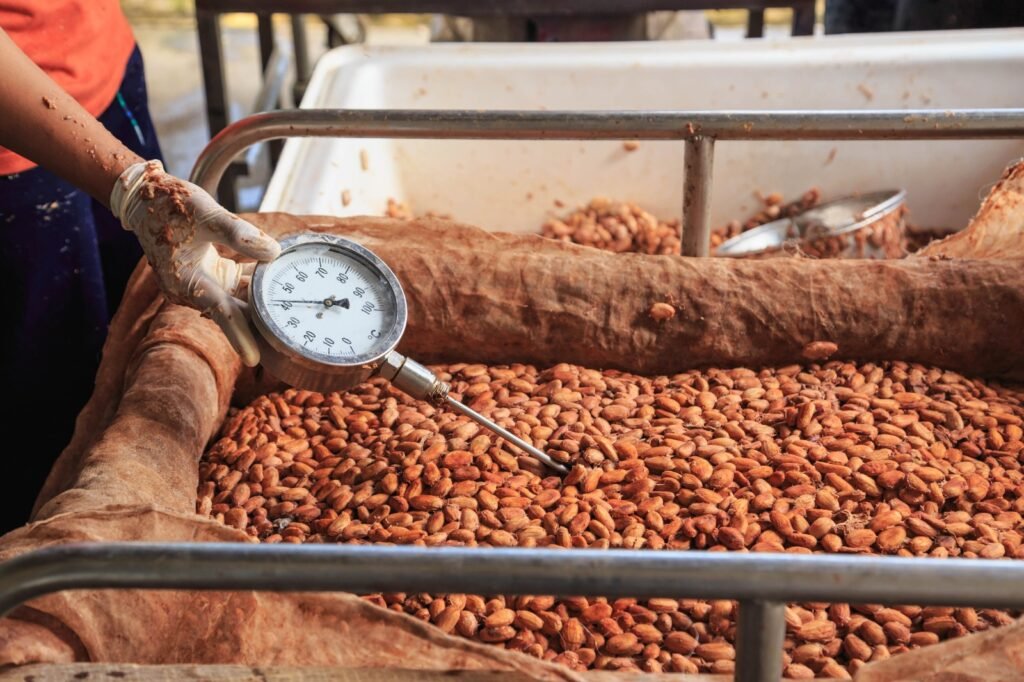
Measure the temperature of the fermented cocoa beans
Processed Cocoa Products: Consistency and Efficiency
Processed cocoa products are designed to simplify production and reduce variability.
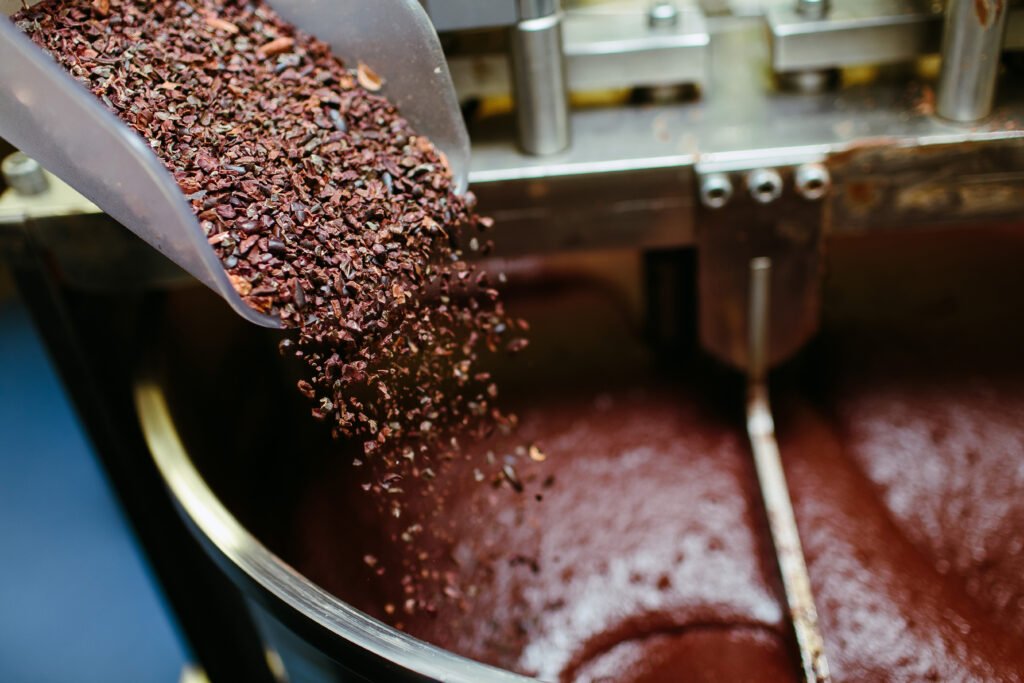
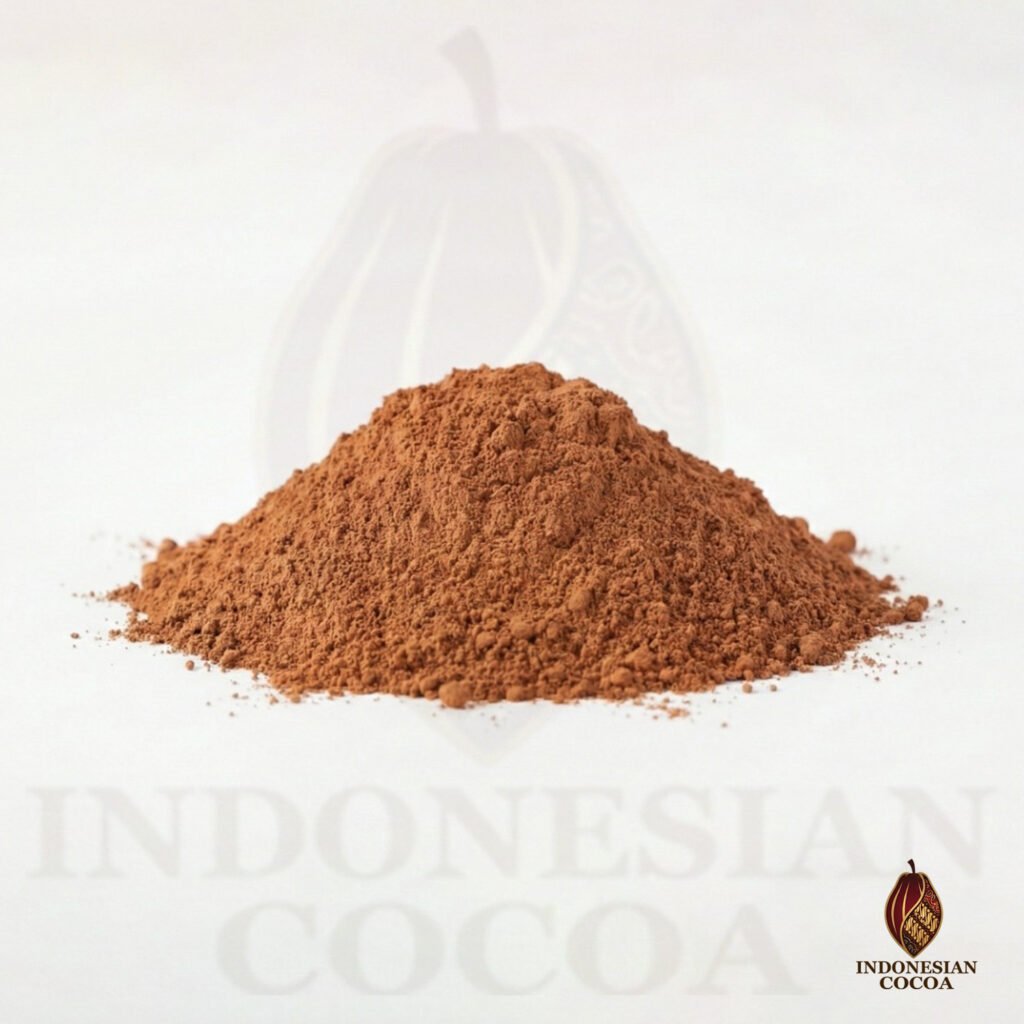
When cocoa beans are processed under controlled conditions, key parameters such as particle size, fat content, and flavor profile become more stable. This consistency is especially valuable for manufacturers who require predictable performance across production batches.
Working with an experienced cocoa powder supplier or cocoa processor allows buyers to focus on formulation and branding rather than raw material management. However, this benefit depends heavily on the supplier’s ability to control sourcing and processing standards.
Without proper oversight, processed products can still suffer from inconsistencies, especially if the supplier relies on mixed raw materials or spot sourcing.
Quality Control Shifts Upstream
One of the most important differences between cocoa beans and processed cocoa products is where quality control takes place.
With cocoa beans, quality control largely falls on the buyer. With processed products, it shifts upstream to the supplier. This makes supplier selection critical.
Professional processors invest in standardized production methods, documented specifications, and repeatable quality checks. These systems help ensure that approved samples accurately represent bulk shipments over time.
For buyers, this upstream control reduces operational risk and supports stable long-term production.
READ MORE : THE BEST CHOCOLATE RECIPE
Logistics and Export Considerations
Logistics also differ significantly between beans and processed products.
Cocoa beans require careful handling to prevent moisture absorption, pest contamination, or quality degradation during transport. Processed products, when properly packaged, often offer greater stability and easier handling in international shipping.
Export documentation, packaging standards, and destination market requirements must be managed carefully in both cases. Suppliers with export experience can help buyers avoid delays and compliance issues, particularly when shipping processed cocoa products.
Choosing the Right Option for Your Business
The choice between cocoa beans and processed cocoa products depends on your production capabilities, quality requirements, and risk tolerance.
Buyers with strong processing expertise may benefit from the flexibility of cocoa beans. Those prioritizing consistency, efficiency, and scalability often prefer processed products sourced from trusted suppliers.
In both cases, long-term success depends on working with partners who understand the technical and logistical demands of global cocoa trade.
Our Approach at Indonesian Cocoa
At Indonesian Cocoa, we support buyers sourcing both cocoa beans and processed cocoa products for international markets.
We focus on clear specifications, consistent quality, and export readiness. By working closely with sourcing and processing partners, we help buyers choose the right products for their operational needs while maintaining supply stability over time.
Our goal is to support informed sourcing decisions rather than one-size-fits-all solutions.
Final Thoughts
Cocoa beans and processed cocoa products each offer distinct advantages, but neither option is risk-free without the right supply structure.
Understanding where quality control occurs, how consistency is maintained, and what your business truly needs is essential before making sourcing decisions.
If you are evaluating cocoa sourcing options or reviewing potential suppliers, Indonesian Cocoa is ready to assist.
You are welcome to contact our team to discuss product specifications, processing options, or export solutions tailored to your market.